Understanding the Versatility of ibc tank
“ibc tank“, known as Intermediate Bulk Containers (IBC), have become an indispensable tool in various industries. These containers are engineered to transport and store bulk liquids and powders efficiently. Their design offers increased capacity while taking up minimal space, making them ideal for businesses looking to optimize their logistics and storage solutions.
Key Features of ibc tank
The ibc tank is celebrated for its practicality and efficiency. Here are some key features that make it stand out:
- Durability: Constructed from high-quality materials such as plastic, metal, or a combination of both, ibc tank are built to withstand harsh conditions.
- Space Efficiency: Their stackable design allows businesses to maximize storage space, which is crucial for operations with limited storage areas.
- Versatility: Ideal for storing a wide array of materials, from chemicals to food-grade liquids, ibc tank cater to diverse industry needs.
Why Choose ibc tank?
Whether you operate in the chemical, food, or manufacturing industry, ibc tank offer several benefits:
Cost-Effectiveness: Investing in ibc tank can lead to cost savings over time due to their reusability and reduced need for excess packaging materials.
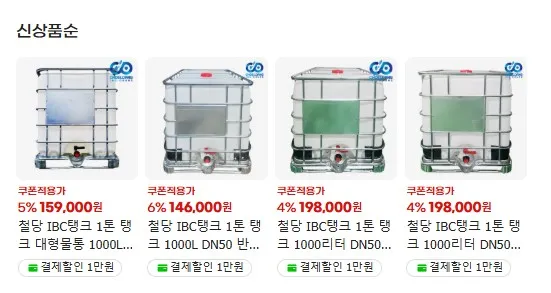
Environmental Benefits: By choosing reusable ibc tank, businesses can cut down on waste and contribute to more sustainable practices.
Applications of ibc tank
ibc tank have a multitude of applications, making them a preferred choice across various sectors:
| Industry | Application |
|---|---|
| Chemicals | Transporting and storing chemicals safely |
| Food & Beverage | Storing and dispensing food-grade liquids |
| Pharmaceuticals | Safekeeping sensitive pharmaceutical ingredients |
These containers are also used in agriculture for storing pesticides and fertilizers, as well as in the cosmetics industry for handling liquid products.
Choosing the Right ibc tank for Your Needs
When selecting an ibc tank, consider the following factors:
- Material: Choose between plastic, metal, or composite depending on the type of material you need to store.
- Capacity: Determine the volume you require, as ibc tank come in various sizes.
- Regulatory Compliance: Ensure the ibc tank meets industry regulations, especially if it’s used for hazardous materials.
In conclusion, ibc tank offer a versatile and efficient solution for bulk storage and transportation needs. By selecting the right type and size, businesses can optimize their operations while contributing to sustainability efforts.
For those looking to enhance their storage capabilities, consider integrating ibc tank into your logistics strategy. Evaluate your specific needs and consult with industry experts to make the most informed decision.